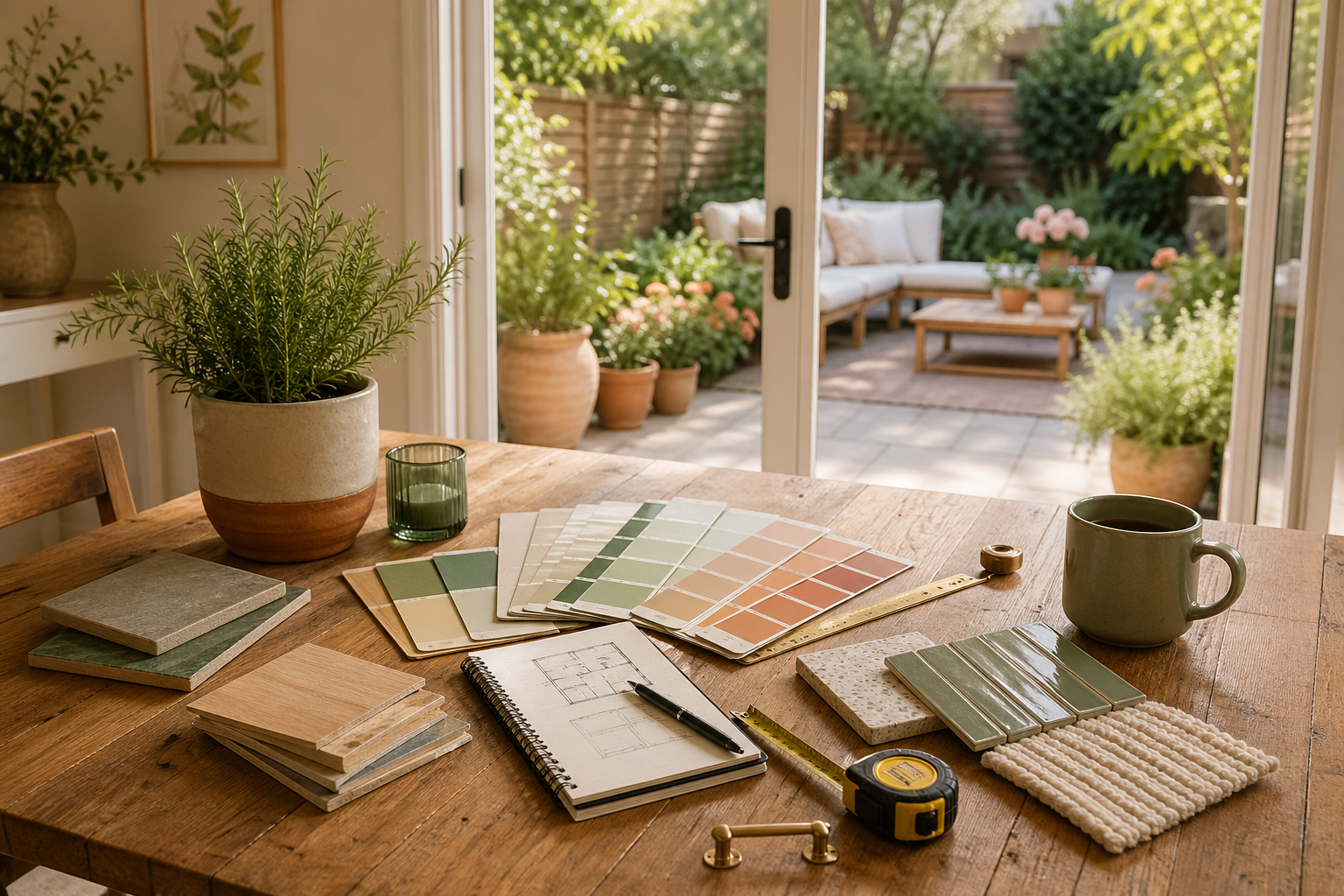
A small bathroom refresh can be one of the most satisfying home projects, but it can also become frustrating when decisions are made in the wrong order. Before buying fixtures or saving paint colors, define what is actually changing.
The best refreshes start with scope. Once the scope is clear, the design choices become easier.
Decide whether this is cosmetic or functional
Cosmetic refreshes change how the room looks. Functional updates change how the room works.
A cosmetic refresh may include:
- Paint
- Mirrors
- Lighting
- Hardware
- Towels and textiles
- Simple shelving
A functional refresh may include:
- Vanity replacement
- Faucet replacement
- Toilet replacement
- Ventilation improvements
- Storage changes
- Plumbing adjustments
The more functional the project becomes, the more planning it needs. Moving plumbing, changing electrical, or replacing tile can shift a simple refresh into renovation territory.
Name what is staying
Before choosing new pieces, list what is not changing. This protects the budget and keeps the project from expanding.
Ask:
- Is the vanity staying?
- Is the current floor staying?
- Are the tub, shower, and toilet staying?
- Are the plumbing locations staying?
- Is the lighting location staying?
- Is the wall tile staying?
If most of the answers are yes, the project can stay lean. If several answers are no, plan for more time, more trades, and more budget room.
Choose the finish direction early
Small bathrooms can feel busy quickly. A short finish palette keeps the room calmer.
Pick:
- One metal finish for faucets, lighting, and hardware
- One main wall color
- One wood tone or painted cabinet color
- One textile direction for towels, rugs, and shower curtains
Mixing finishes can work, but it needs intention. For an easy refresh, fewer finishes usually look better.
Fix the lighting plan
Lighting changes how every finish looks. A paint color that feels warm in daylight can look dull under the wrong bulb. A mirror can look sharp in a photo but cast shadows if the lighting is poorly placed.
For a small bathroom, prioritize:
- Clear face-level lighting near the mirror
- Warm but not yellow bulbs
- Enough brightness for cleaning
- Fixtures that match the room’s scale
If electrical work is needed, plan it before patching, painting, or installing new mirrors.
Do not ignore storage
A bathroom refresh should make the room easier to use, not just better looking. Before replacing shelves or choosing a vanity, list what needs storage.
Common items include:
- Daily skincare
- Hair tools
- Cleaning supplies
- Extra toilet paper
- Towels
- Medication
- Guest toiletries
Open shelves look nice when they hold only a few styled items. If the bathroom stores daily supplies, closed storage usually works better.
Build a realistic budget buffer
Even small projects reveal surprises: old caulk, damaged drywall, uneven walls, corroded shutoff valves, or fixtures that do not fit the way the old ones did.
Keep a buffer for:
- Patch and paint supplies
- Replacement shutoff valves
- New supply lines
- Extra hardware
- Delivery or return fees
- A professional visit if something is beyond DIY
The buffer does not need to be dramatic, but it should exist.
Reader checklist
Before buying anything, confirm:
- The project scope
- What is staying
- What is changing
- The finish palette
- The lighting plan
- The storage needs
- The budget buffer
Final takeaway
A bathroom refresh goes smoother when the room has boundaries. Decide scope first, finishes second, and purchases last.